Invest in Agricultural Land Near Indore







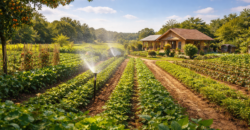
Description
Invest in Agricultural Land Near Indore
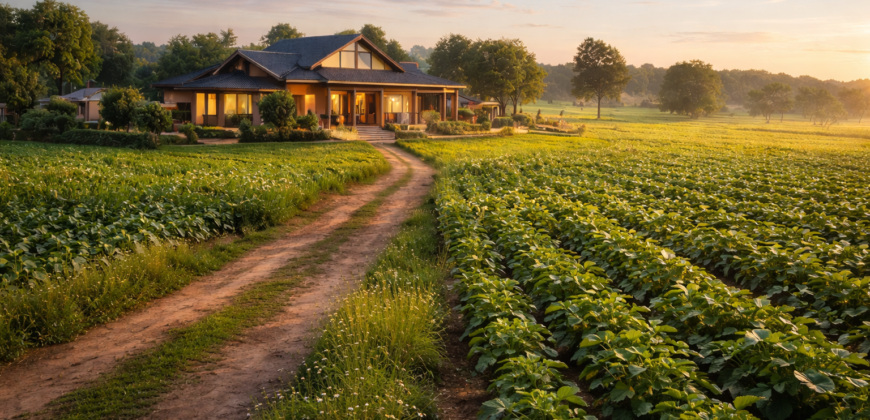
Farming. Farm Living. Land Ownership. Long-Term Potential.
With Indore expanding rapidly, agricultural land in the surrounding belt can offer a combination that conventional residential property generally cannot:
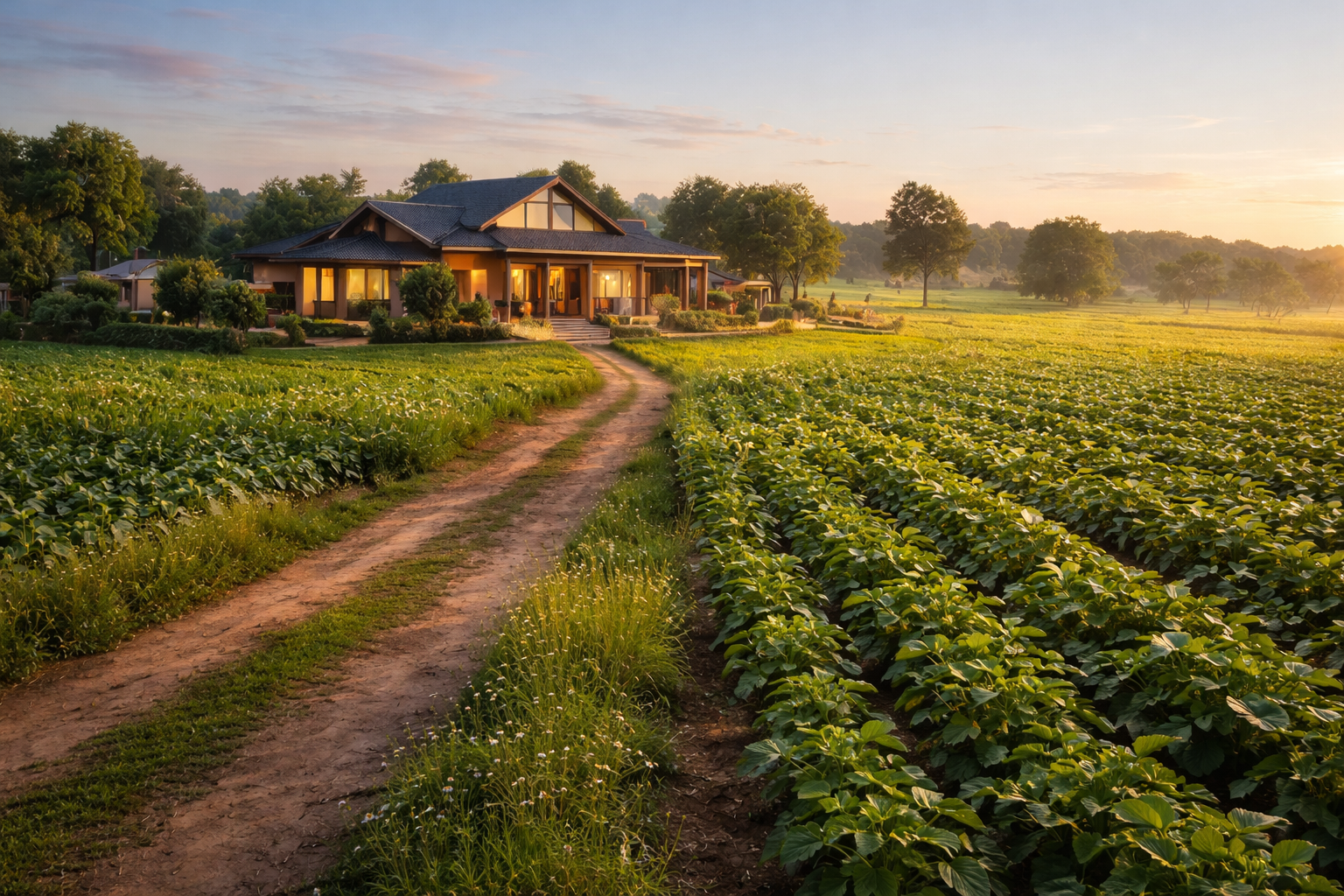
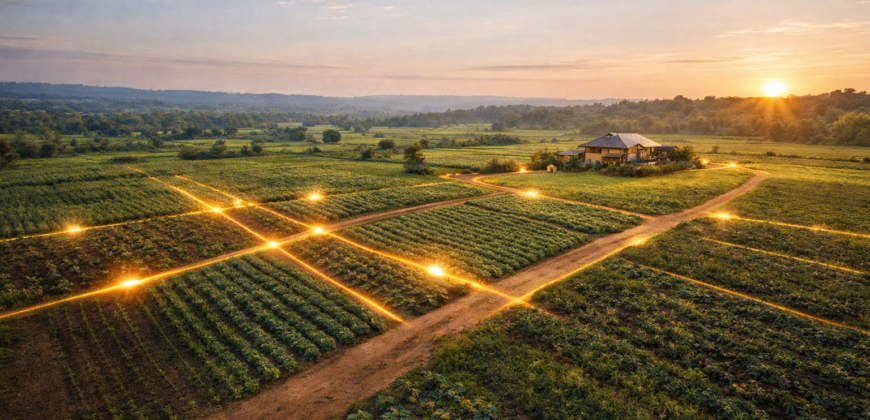
Large land parcel + agricultural use + lifestyle use + productive potential + long-term land holding
The opportunity is particularly relevant for buyers looking for:
- A weekend/farm retreat
- Fruit or vegetable cultivation
- Organic/natural farming
- Dairy or livestock activity
- Plantation
- Agroforestry, where legally permitted
- Farm-based residence, subject to applicable permissions
- Long-term land ownership outside the city
1. Why Look into 50–100 KM from Indore?
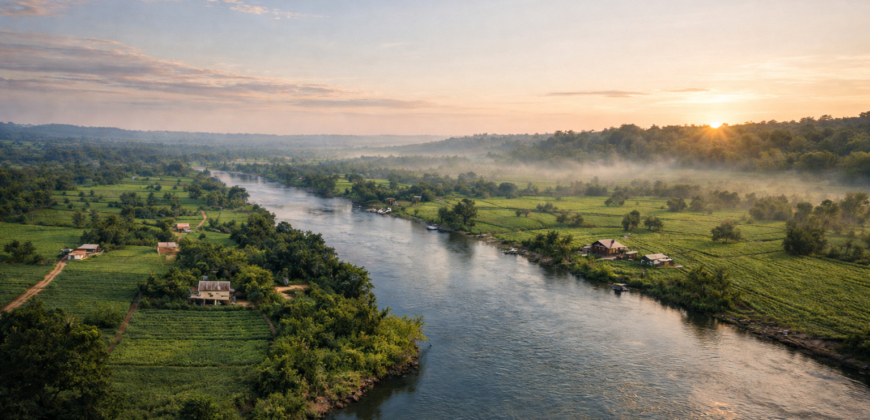
The 50–100 km radius opens up substantially more land compared with the immediate Indore urban fringe.
Instead of paying an urban premium for a small parcel, an investor can potentially acquire a larger agricultural holding at a lower land-cost basis, depending on the exact location.
The key is to select locations with:
Good Road Connectivity
Prefer land with reliable all-weather access rather than an attractive parcel reached only through an informal village track.
Water Availability
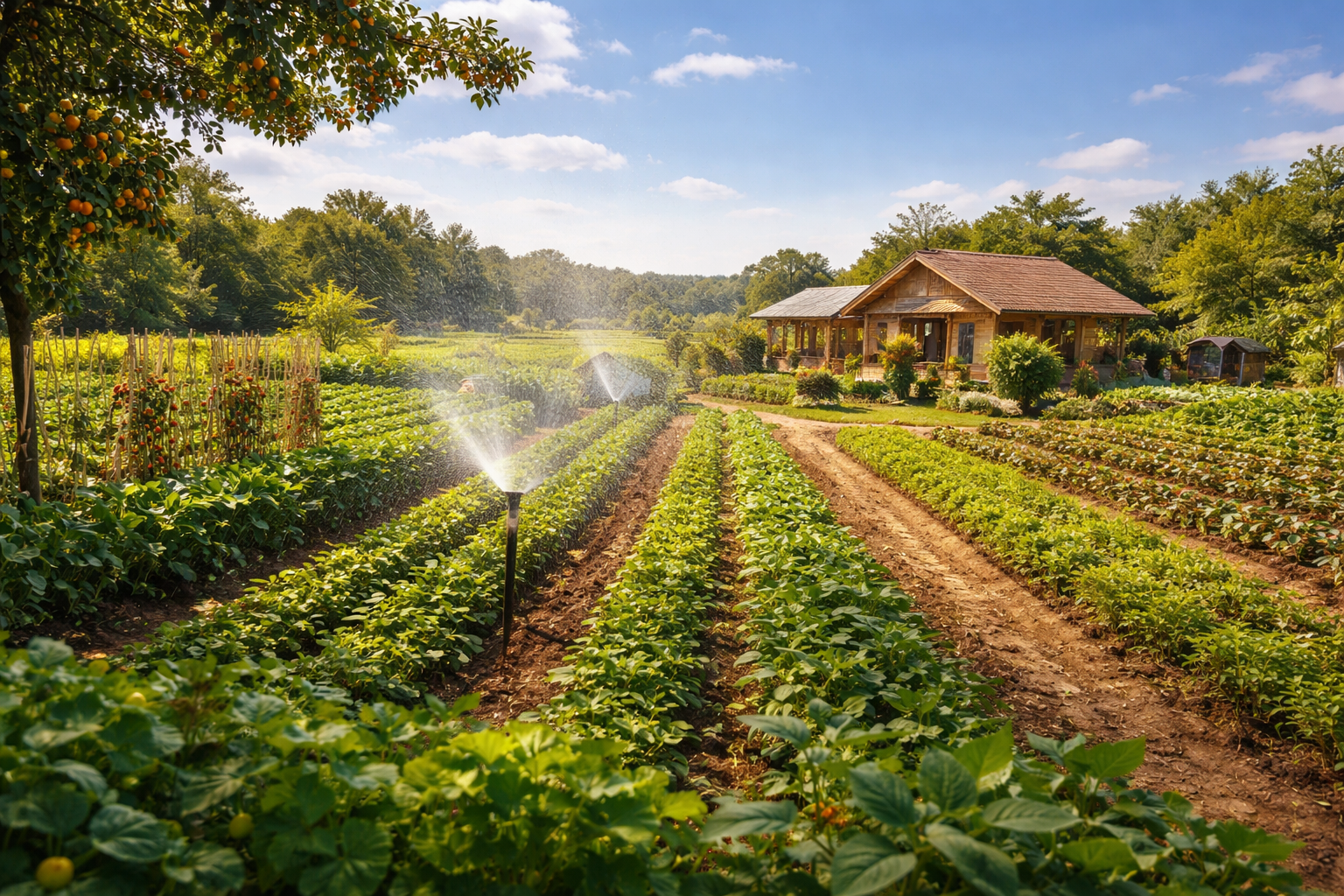
For agricultural land, water can be more important than proximity to Indore.
Agricultural Productivity
Soil quality, irrigation, rainfall, and existing cultivation should be evaluated.
Nearby Villages
A nearby village provides access to labour, markets, services and local agricultural infrastructure.
Proximity to a Major Road
Land reasonably accessible from highways or major district roads generally has better practical usability.
2. What Can You Actually Use the Land For?
The biggest advantage of agricultural land is that it can be used rather than simply held.
Farming
Depending on soil, water, and local conditions:
- Vegetables
- Fruits
- Grains
- Pulses
- Spices
- Floriculture
- Plantation crops
Organic / Natural Farming
An investor can develop a smaller agricultural operation focused on:
- Chemical-reduced farming
- Organic cultivation
- Farm-to-consumer produce
- Seasonal vegetables
- Fruit orchards
Orchard / Plantation
For a longer holding period, plantation or orchard development can create both a productive asset and a lifestyle property.
The economics, however, need to be assessed crop-by-crop rather than assuming that plantation automatically produces high returns.
Dairy / Livestock
Where permitted and properly managed, agricultural land can support:
- Dairy
- Cattle
- Goat farming
- Poultry
- Other agricultural activities
The applicable local permissions and environmental requirements need to be checked for the specific activity.
Farm Lifestyle
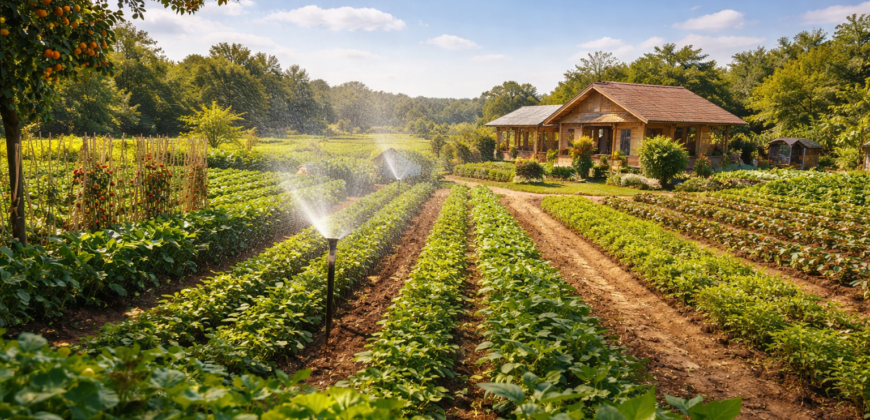
For an owner who wants a weekend retreat, agricultural land can provide:
Farm + Garden + Orchard + Outdoor Space + Rural Lifestyle
This can be a fundamentally different proposition from purchasing a conventional residential plot.
3. Farmhouse: An Important Legal Distinction
This is where buyers need to be particularly careful.
Agricultural land does NOT automatically mean:
“I can build whatever farmhouse I want.”
Construction on agricultural land can depend on land-use classification, planning-area regulations, building rules, permitted agricultural structures, and applicable permissions.
Madhya Pradesh’s e-service system specifically recognises land-use diversion as the legal process for changing land use, including agricultural land to non-agricultural use. (Madhya Pradesh Services)
Therefore, before promising a buyer a farmhouse, the exact parcel needs to be checked for:
- Current land-use classification
- Whether it falls within a planning/development area
- Applicable development plan
- Permissible construction
- Building permission requirements
- Land diversion requirements
- Access-road status
- Water and electricity permissions
- Local-body requirements
“Farmhouse plot” advertised by a seller is not, by itself, proof that residential construction is legally permissible.
A recent Madhya Pradesh RERA appellate decision also illustrates why buyers should be cautious with projects marketed as “farmhouse” developments: development of agricultural land into plots for sale can potentially fall within the statutory definition of a real-estate project depending on the facts. (reat.mp.gov.in)
4. Investment Benefits
Larger Land Ownership
The biggest advantage is the ability to acquire substantially more land than would normally be possible in an urban location.
Productive Asset
Unlike an empty residential plot, agricultural land can potentially generate agricultural output.
Lifestyle Value
The property can serve as:
Farm + Weekend Retreat + Orchard + Family Space
Long-Term Land Holding
Agricultural land can be held over a long period while being actively used for agriculture, subject to applicable laws.
Indore’s Urban Expansion
Long-term urban expansion can create changing demand around selected corridors.
But this should be treated as potential upside, not as a guaranteed conversion or appreciation strategy.
5. The Real Appreciation Opportunity
I would divide the investment thesis into two parts.
Primary Investment Thesis
Agricultural productivity + land ownership + lifestyle use
This should make sense even if the surrounding area never becomes urbanised.
Secondary Upside
Infrastructure + population growth + surrounding development + potential future land-use change
This can create additional value over a longer period.
This distinction is important.
Don’t buy agricultural land only because:
“Indore will reach here in five years.”
Instead:
Buy land that makes sense as agricultural/lifestyle land today, with urbanisation providing potential additional upside.
That is a much safer investment philosophy.
6. What Makes a Good Agricultural Investment?
I would evaluate every parcel against these eight parameters:
| Factor | What to Check |
|---|---|
| Title | Clear ownership and historical chain |
| Land Record | Khasra, B-1, mutation and current entries |
| Land Use | Agricultural classification and restrictions |
| Water | Borewell, irrigation, water table, and source |
| Access | Legal and practical road access |
| Soil | Soil quality and agricultural suitability |
| Location | Distance from Indore and nearest settlement/highway |
| Future Plans | Development plan, road alignment and surrounding development |
The last point is particularly important.
A cheap agricultural parcel with poor access and uncertain title is not necessarily a better investment than a slightly more expensive parcel with good access, water and clean documentation.
7. Legalities & Regulations in Madhya Pradesh
Agricultural land transactions in Madhya Pradesh are governed by the Madhya Pradesh Land Revenue Code and other applicable laws and regulations. The Code contains specific provisions governing transfers, holdings, and restrictions. (India Code)
Therefore, the buyer should not rely solely on a broker’s statement that:
“Agricultural land can be purchased by anyone.”
Eligibility and restrictions need to be checked for the buyer, the particular land parcel and the nature of the proposed transaction.
The MP Government’s official systems also provide services for mutation, demarcation and land-use diversion. (Madhya Pradesh Services)
8. Land Diversion Is a Separate Matter
If the intention is eventually to use agricultural land for a non-agricultural purpose, do not assume that purchase itself gives that right.
Madhya Pradesh officially provides a process for RCMS diversion / land-use change, including conversion from agricultural to non-agricultural use. (Madhya Pradesh Services)
The economics of a proposed farmhouse, resort, commercial activity, or plotted development should therefore be calculated only after understanding whether the required land-use change is legally possible and what approvals/charges would apply.
9. Be Very Careful With “Farmhouse Plots”
This is one of the biggest caution areas.
A seller may offer:
“1,000 sq.ft. farmhouse plot”
or
“5,000 sq.ft. agricultural farmhouse plot”
with roads, electricity, fencing, clubhouse, and other amenities.
That does not automatically make it a legally independent residential plot.
If agricultural land has been subdivided and marketed as individual plots with common infrastructure for sale, the regulatory position needs to be examined carefully. The Madhya Pradesh RERA appellate material specifically considers whether such development can constitute a real estate project. (reat.mp.gov.in)
Investor rule:
Never buy a “farmhouse plot” purely on the promise that construction will be allowed later.
Verify the legal status first.
10. Documents to Verify Before Purchase
At minimum, I would ask for:
Ownership
- Registered sale deed
- Previous title documents
- Chain of title
- Seller identity and authority
Revenue Records
- Khasra
- B-1 / relevant land record
- Mutation entries
- Current land classification
- Khasra map/village map
- Demarcation
Encumbrance & Litigation
- Encumbrance search
- Mortgage/charge
- Court disputes
- Revenue disputes
- Family/inheritance claims
Land Restrictions
Check for:
- Government land
- Forest classification
- Restricted/tribal land where applicable
- Ceiling-related issues
- Acquisition notifications
- Road reservations
- Development-plan reservations
- Other statutory restrictions
11. Water Is More Important Than the View
For agricultural investment, don’t buy based on:
“Beautiful location.”
Buy based on:
“Can this land actually be cultivated?”
Check:
- Existing borewell
- Borewell yield
- Groundwater conditions
- Irrigation source
- Electricity availability
- Existing agricultural activity
- Water quality
- Rainwater harvesting potential
A 5-acre parcel with reliable water can be more useful than a much larger dry parcel.
12. Road Access Is Equally Important
The land should ideally have legally established access, not merely a road shown by the seller.
Check:
Revenue record → Khasra map → physical access → registered right of way, where relevant
Do not assume that a mud road used by villagers automatically provides a legally enforceable access right to the property.
13. Key Cautions for Investors
Don’t Buy Based on Future Conversion
“Government will make it residential” is not a legal approval.
Don’t Buy Based on Highway Rumours
Verify proposed road alignments and notifications through official sources.
Don’t Confuse Agriculture With Residential Use
Agricultural land and residential land have different regulatory implications.
Don’t Buy Unapproved Subdivisions
A small “farm plot” carved out of a larger agricultural survey number requires careful legal scrutiny.
Don’t Ignore Water
Agricultural land without viable water can become an expensive passive asset.
Don’t Ignore Exit Liquidity
Agricultural land can have a smaller buyer pool than conventional residential property.
Don’t Pay a Future-Urbanisation Price Today
If the land is currently agricultural, value it primarily on its current legal use and productive/lifestyle potential, not on an assumed future conversion.
14. The Ideal Investor Profile
Agricultural land around Indore is particularly relevant for someone who wants:
Long-Term Land Ownership
and does not need immediate liquidity.
Farm-Based Lifestyle
A weekend or family farm, subject to permitted use.
Agricultural Activity
Farming, orchard, plantation or other permitted agricultural activities.
Diversification
A physical land asset outside conventional residential/commercial property.
Long-Term Appreciation Potential
With appreciation treated as potential upside rather than the sole investment thesis.
The Real Estate Consultant’s View
The best agricultural land investment is not necessarily the cheapest land.
It is land where:
Clear Title
+
Legal Agricultural Use
+
Reliable Water
+
Legal Road Access
+
Good Soil
+
Reasonable Distance from Indore
+
Strong Surrounding Connectivity
+
Long-Term Holding Capacity
come together.
The investment philosophy should be:
“Buy agricultural land that works as agricultural land today, and let future development potential remain an upside—not the reason for buying it.”
That approach protects the investment thesis from depending entirely on an uncertain future land-use conversion.
Regulatory note: Madhya Pradesh has specific revenue, land-use, planning and real-estate regulations, and the applicable position can differ by parcel and location. The official MP Government portal itself lists specific instructions for land diversion and real-estate regulation. (invest.mp.gov.in) Before committing funds, have a local property lawyer/revenue professional verify the exact Khasra and proposed use with the competent authorities.
Address
- Address 50 KM, surrounding, Indore
- Country India
- Province/State Madhya Pradesh
- City/Town Indore
Overview
- Property ID 4418
- Price Price on call
- Property Type Agricultural, Agriculture land, Farm, Farm house
- Property status For Sale
Contact